'%3e%3c/ellipse%3e%3cpath%20d='M20.5%2023.5%20L3.4%2045.6%20L23%2031.8%20Z'%20fill='%23B4EE3A'%20stroke='%23B4EE3A'%20stroke-width='3'%20stroke-linejoin='round'%20stroke-linecap='round'%3e%3c/path%3e%3cpath%20d='M47%2020.5%20Q42%2033%2030.5%2036.5'%20stroke='%23FFFFFF'%20stroke-opacity='0.35'%20stroke-width='2.4'%20fill='none'%20stroke-linecap='round'%3e%3c/path%3e%3ccircle%20cx='30.2'%20cy='20.2'%20r='4.4'%20fill='%23FFFFFF'%3e%3c/circle%3e%3ccircle%20cx='28.9'%20cy='20.4'%20r='2.15'%20fill='%23101116'%3e%3c/circle%3e%3ccircle%20cx='27.9'%20cy='19.1'%20r='0.85'%20fill='%23FFFFFF'%3e%3c/circle%3e%3c/svg%3e)
Journalists
Protecting sources, devices and yourself - including at a border and under surveillance.
6 lessons, free to read and reuse under CC-BY-4.0.
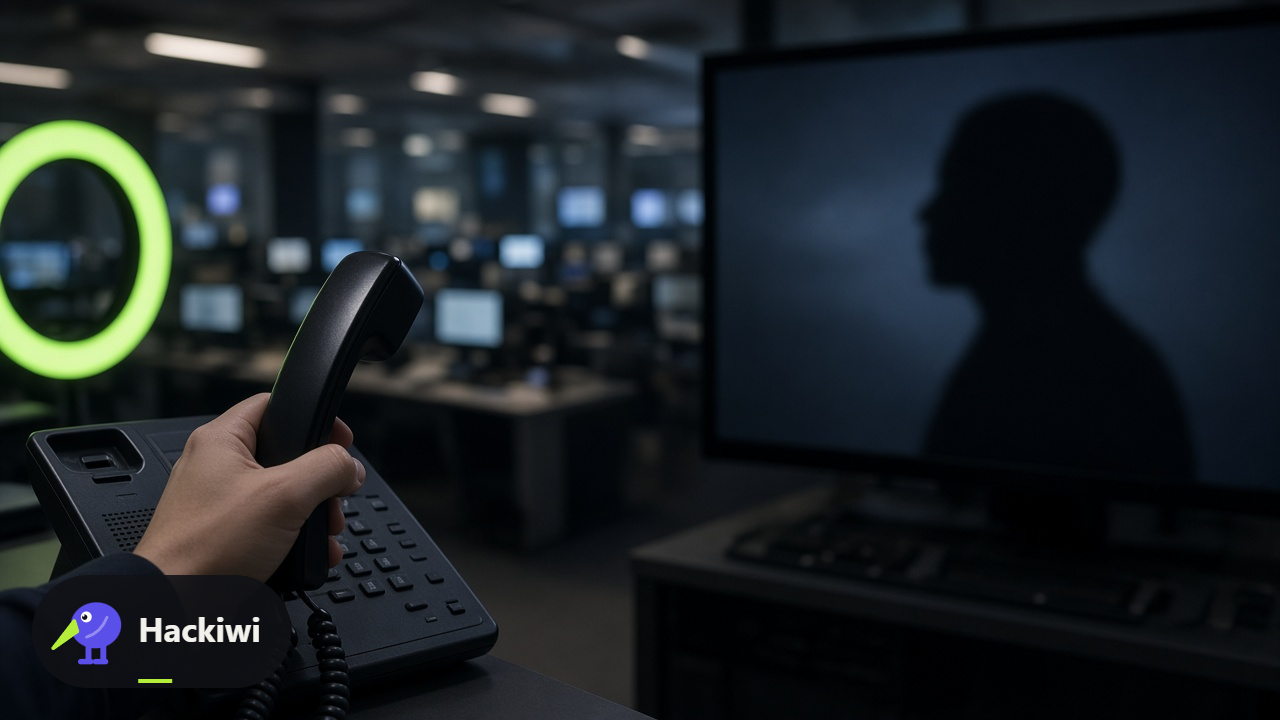
A deepfake of you or a source
Synthetic audio and video are used to impersonate. Do not authenticate a clip from the clip. Call the person. Tell the desk. Avoid spreading the fake.
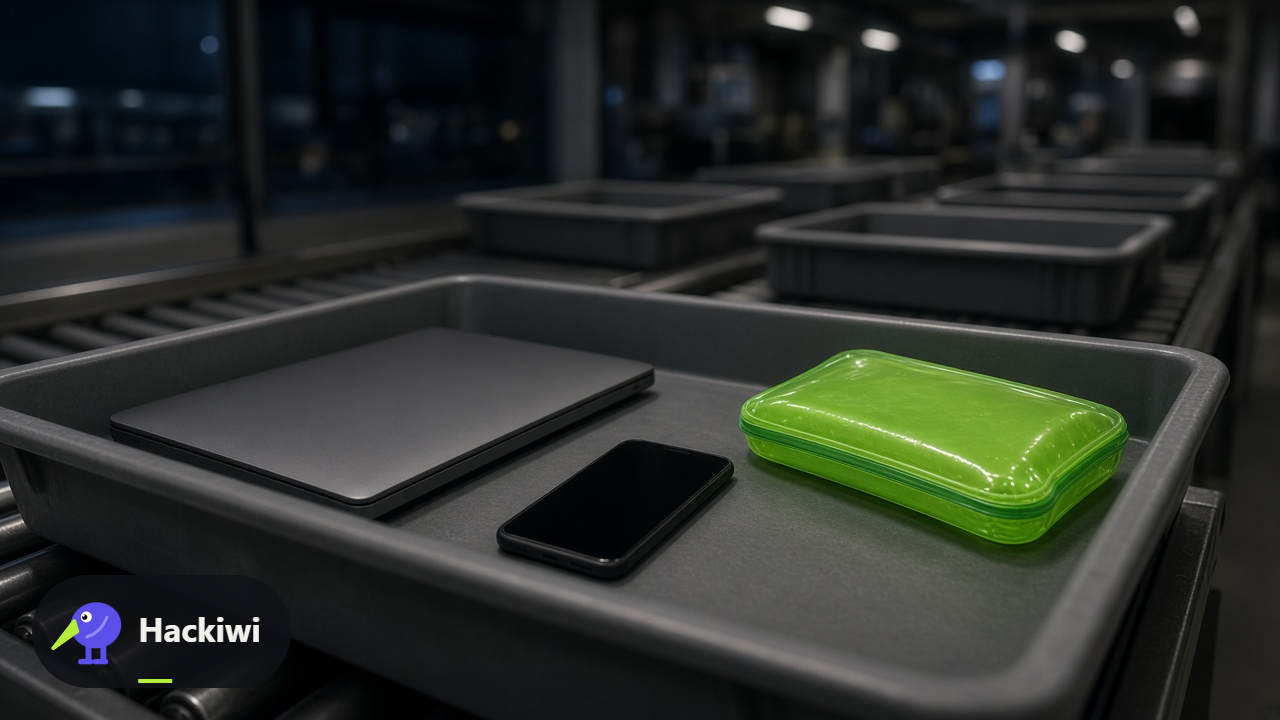
Devices, travel and border stops
Plan what the device holds before you travel. Power down, minimise, and talk to your editor or lawyer. This is preparation, not a promise about any country's law.
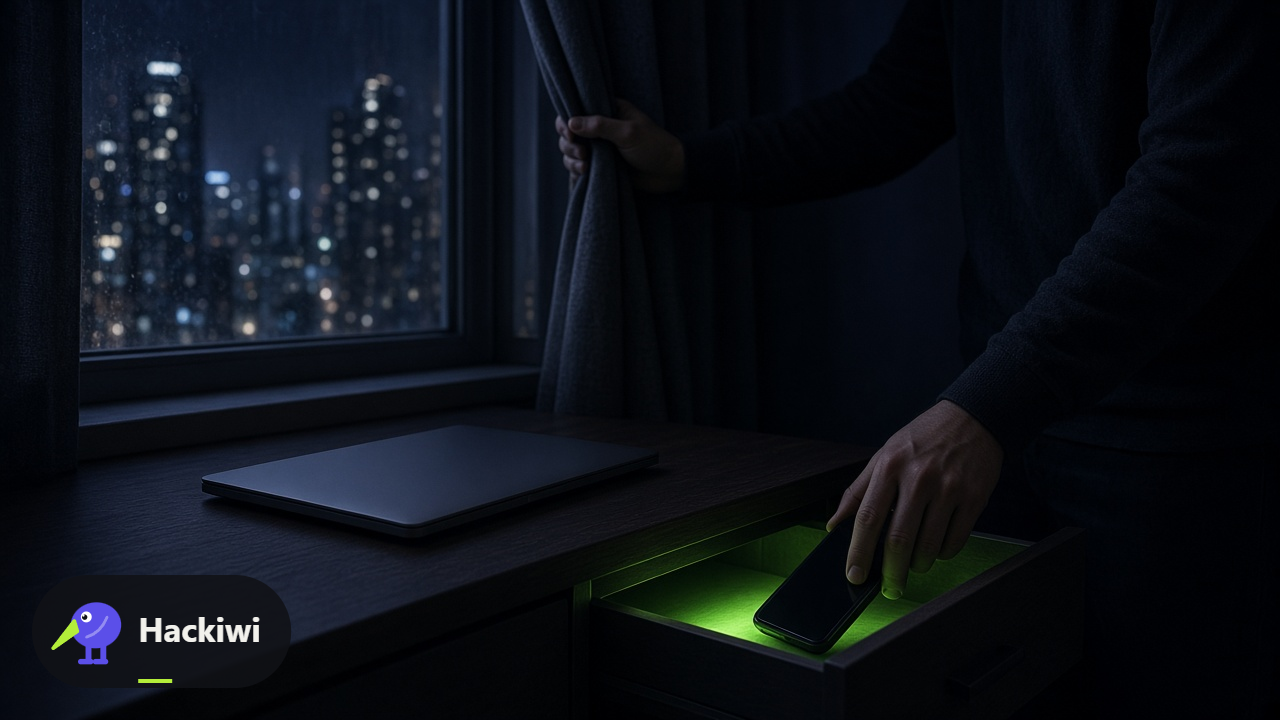
Harassment, doxxing and what to do after
Online abuse is a safety incident. Document, lock down personal data, tell the newsroom, and use specialist help. You do not have to answer every message.
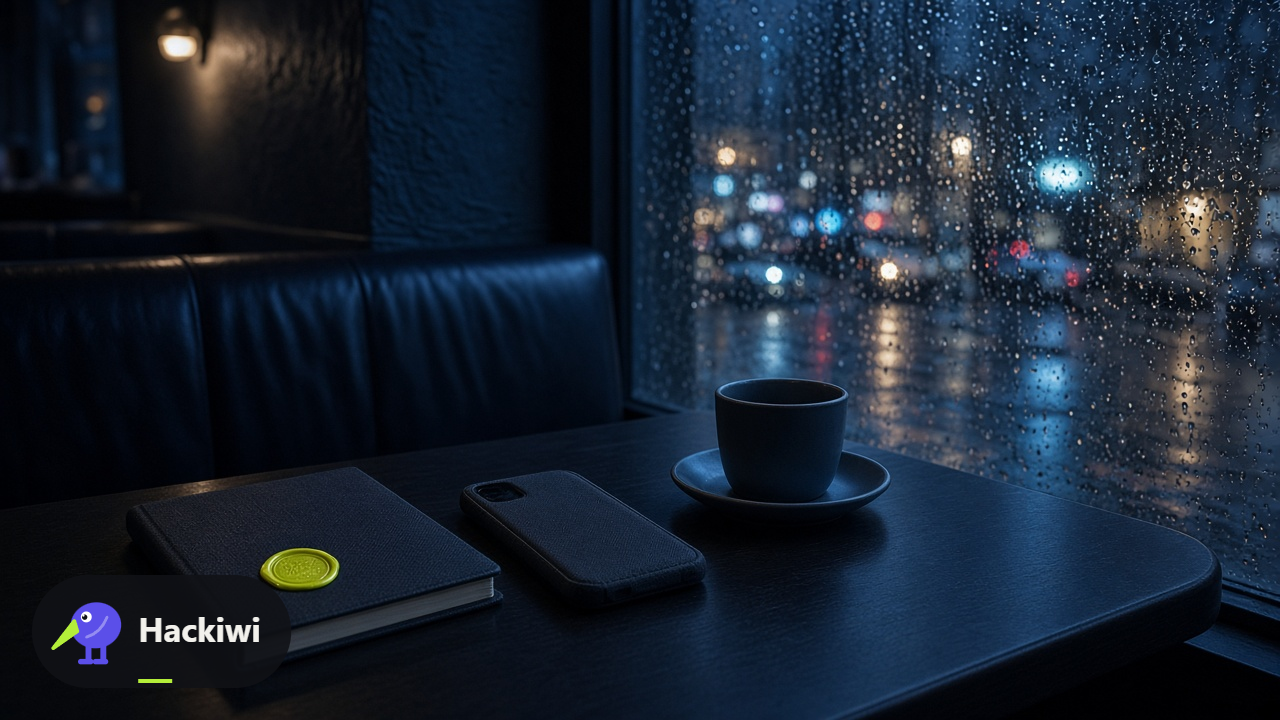
Protecting sources and chats
Confidentiality starts before the first message. Encrypted apps help. Device access, backups and sloppy first contact can still burn a source.
Someone posting as you
A cloned profile or a taken account is an editorial and a safety incident. Lock the real accounts, warn the desk, and tell the audience from a channel you still control.
The source attachment and targeted mail
A document from an unknown 'source' is a payload until you treat it as one. Slow down. Verify the person. Open files in a safer way than your reporting laptop.
No account needed. Your progress is kept in this browser and never sent to us.